What Art Style Is This? AI Art Style Identifier
Overview
Analysis Tool
What Art Style Is This? AI Art Style Identifier
Upload a painting, drawing or digital artwork and the AI names the likely art style or movement and the features that point to it.
What art style is this? Upload an image and the AI names the likely art style or movement and the visual features that point to it. Free to try.
- 01The most likely art style or movement, plus close alternatives
- 02The visual features behind the answer: line, colour, texture, composition
- 03Works on traditional, digital and illustration styles
- 04Words you can use to find similar art or prompt an image generator
What Art Style Is This? AI Art Style Identifier
AI-generated result preview
- 01The most likely art style or movement, plus close alternatives
- 02The visual features behind the answer: line, colour, texture, composition
- 03Works on traditional, digital and illustration styles
- 04Words you can use to find similar art or prompt an image generator
The most likely art style or movement, plus close alternatives
The visual features behind the answer: line, colour, texture, composition
Works on traditional, digital and illustration styles
Words you can use to find similar art or prompt an image generator
What Artstyle Is This? How the AI Decides
Upload an image of an artwork and ask "what art style is this?". The AI looks at brushwork or line, colour palette, composition, subject and medium, then names the most likely style or movement, such as Impressionism, Art Nouveau, ukiyo-e, anime, cel shading or low-poly 3D, and explains which features suggest it. It is useful for art you want to learn about or a look you want to recreate. It identifies style, not authorship: it cannot reliably name the artist, date a work or say whether it is an original.
- •The most likely art style or movement, plus close alternatives
- •The visual features behind the answer: line, colour, texture, composition
- •Works on traditional, digital and illustration styles
- •Words you can use to find similar art or prompt an image generator
- 1
Use a clear image of the artwork
Crop out frames, walls and watermarks where you can, so the style itself fills the image.
- 2
Upload it
The AI names the likely style or movement and lists the features that point to it.
- 3
Explore from there
Look up the style to find artists and works that share it.
Examples: four art styles the AI identified
Real results from this tool. Each picture is a sample made with an AI image generator; the styles and scores are what the identifier returned.
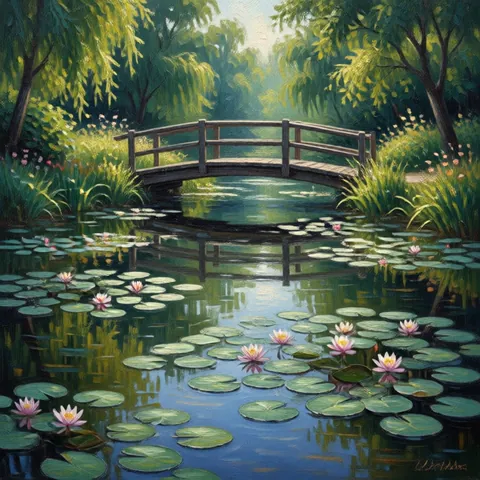
Water lily pond painting
- Impressionism50%
- Post-Impressionism30%
- Japonisme20%
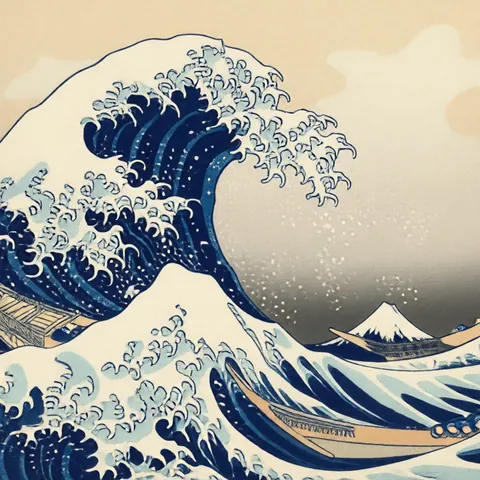
Great wave woodblock print
- Ukiyo-e70%
- Shin-hanga30%
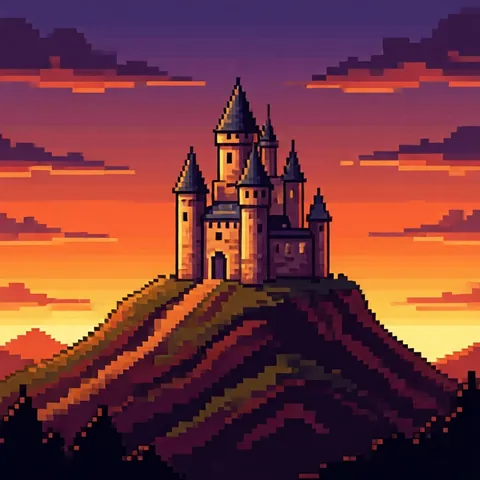
Castle at sunset, 16-bit
- Pixel Art60%
- Fantasy Illustration25%
- Low-Fi / Retro Aesthetic15%
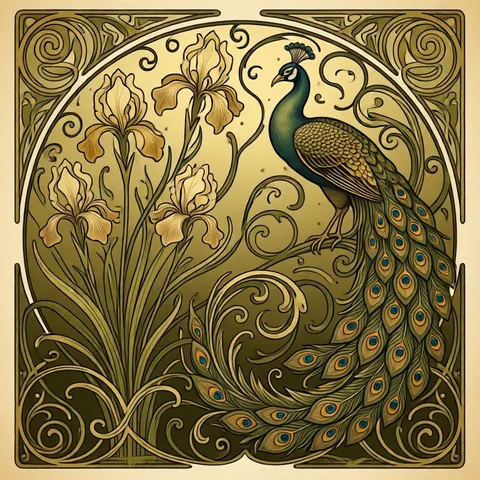
Irises and peacock poster
- Art Nouveau60%
- Decorative Illustration25%
- Japonisme Influence15%
Common art styles and how to tell them apart
Most "what artstyle is this?" answers come down to a few visible tells: the line, the colour, the light and how real the forms look. Use these to check the AI's answer or to describe a style yourself.
Painting movements
Renaissance
Calm, balanced scenes, careful perspective and soft, lifelike modelling of faces and cloth.
Baroque
Strong light against deep shadow, diagonal movement and drama.
Impressionism
Short visible brushstrokes, bright outdoor light and soft edges. It looks blurry up close.
Post-Impressionism
Bold colour and thick, patterned strokes, as in swirling skies, with firmer shapes than Impressionism.
Expressionism and Fauvism
Colours that are not true to life, such as a green face, used for feeling rather than accuracy.
Cubism
Objects broken into flat, angled pieces seen from several sides at once.
Surrealism
Dreamlike, impossible scenes, often painted in a realistic way.
Abstract Expressionism
Often no recognisable subject: drips, big gestures or large fields of colour.
Design, print and modern styles
Art Nouveau
Flowing plant-like curves, decorative borders and flat, elegant figures.
Art Deco
Geometric shapes, symmetry, sunbursts and gold or chrome accents.
Pop art
Flat bright colour, comic-style outlines, halftone dots and everyday products.
Minimalism
Very few shapes and colours, with lots of empty space.
Street art and graffiti
Spray paint, stencils, bold lettering and drips on walls.
Ukiyo-e and ink wash
Japanese woodblock prints with flat colour and outlines, or brush ink with soft grey tones.
Digital and illustration styles
Anime cel shading
Flat colour with one hard-edged shadow tone, clean line art and large eyes.
Soft-shaded anime
The same line art, but with painted gradients and glow instead of hard shadow edges.
Western comic
Heavy black inks, hatching and more realistic anatomy than manga.
Pixel art
Visible square pixels and a small, limited palette.
Low-poly 3D
Forms built from visible flat triangles with simple shading.
Concept art
Painterly digital scenes with loose detail, built to show mood and design.
Vaporwave
Pink and teal neon, retro computer graphics, grids and classical statues.
Frequently Asked Questions
Related AI Tools
Discover more tools that might interest you
AI Phone Model Identifier
Identify phone model instantly with AI-powered image recognition
AI Image AnalysisAI Ceiling Fan Identifier
Identify ceiling fan instantly with AI-powered image recognition
AI Image AnalysisFind This Light Fixture by Picture
Find this light fixture by picture: upload a photo and the AI names the fixture type and style, so you know what to search for. Free to try.
AI Image AnalysisAI Rabbit Breed Identifier
Identify rabbit breed instantly with AI-powered image recognition
AI Image AnalysisAI Artwork Style Identifier
Identify artwork style instantly with AI-powered image recognition
AI Aura Color Analyzer
Detect your aura color with AI
AI Backpack Type Identifier
Identify backpack type instantly with AI-powered image recognition
AI Bag Style Finder
Discover your bag style with AI fashion analysis