Revolutionizing Photography with AI
Summary
Table of Contents
Revolutionizing Photography with AI
Photography has always been about capturing moments, telling stories, and pushing the boundaries of creativity. But with the rise of artificial intelligence, the industry is undergoing a seismic shift. AI photography is transforming the way we capture, edit, and enhance images, making professional-grade results accessible to everyone—from hobbyists to seasoned professionals. In this blog post, we’ll explore how AI is reshaping digital imaging and uncover practical ways photographers and content creators can leverage these advancements.
1. The Rise of AI in Photography
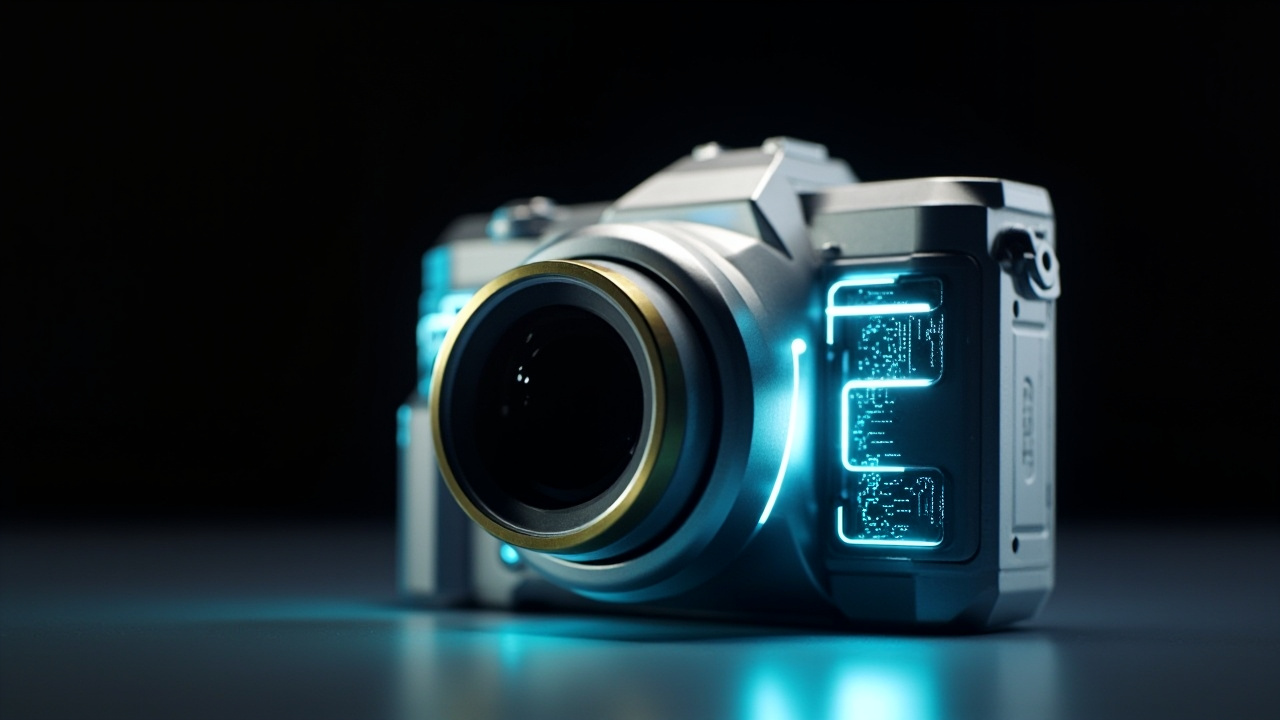
Artificial intelligence is no longer a futuristic concept—it’s here, and it’s revolutionizing photography at every stage of the process. From intelligent autofocus systems to AI-powered post-processing tools, the integration of machine learning and image processing is creating unprecedented opportunities for creativity and efficiency.
1.1 How AI Is Changing Image Capture
Modern cameras and smartphones now incorporate AI-driven features that optimize settings in real time. These include:
- Scene Recognition: AI detects subjects (e.g., landscapes, portraits, or wildlife) and adjusts exposure, contrast, and color accordingly.
- Autofocus Enhancements: AI tracks moving subjects with precision, ensuring sharp focus even in dynamic environments.
- Low-Light Optimization: AI algorithms reduce noise and enhance details in dimly lit conditions.
1.2 AI-Powered Computational Photography
Computational photography, powered by AI, merges multiple exposures and data points to create stunning high-dynamic-range (HDR) images, bokeh effects, and even night mode shots. For example, Google’s Night Sight and Apple’s Deep Fusion showcase how AI can outperform traditional photography techniques.
2. AI for Photo Enhancement and Editing
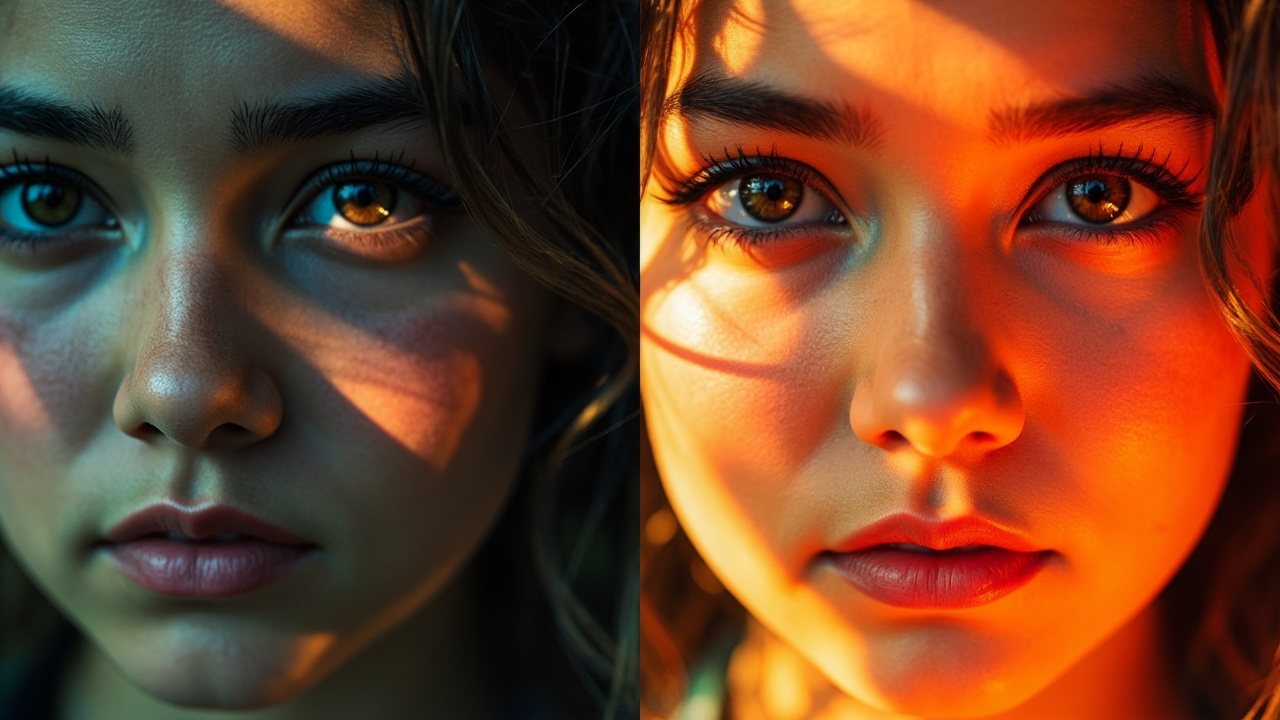
Post-processing is where AI photography truly shines, offering tools that save time while delivering professional results.
2.1 Automated Retouching and Restoration
AI-driven applications like Adobe Photoshop’s Neural Filters and Luminar AI can:
- Remove blemishes and wrinkles while preserving skin texture.
- Colorize black-and-white photos with remarkable accuracy.
- Restore old or damaged photographs by filling in missing details.
2.2 AI-Based Upscaling and Super-Resolution
Tools like Topaz Gigapixel AI use deep learning to upscale low-resolution images without losing quality—ideal for printing or repurposing older photos.
| Traditional Upscaling | AI Upscaling |
|---|---|
| Pixelation and blurriness | Sharper details, natural textures |
| Limited to 2x enlargement | Up to 6x enlargement possible |
3. AI for Creative Expression
Beyond technical improvements, AI is unlocking new creative possibilities for photographers and content creators.
3.1 Style Transfer and Artistic Filters
AI can apply the styles of famous painters or custom artistic effects to photographs. Apps like Prisma and DeepArt transform images into Van Gogh-esque masterpieces or modern digital art.
3.2 AI-Generated Imagery
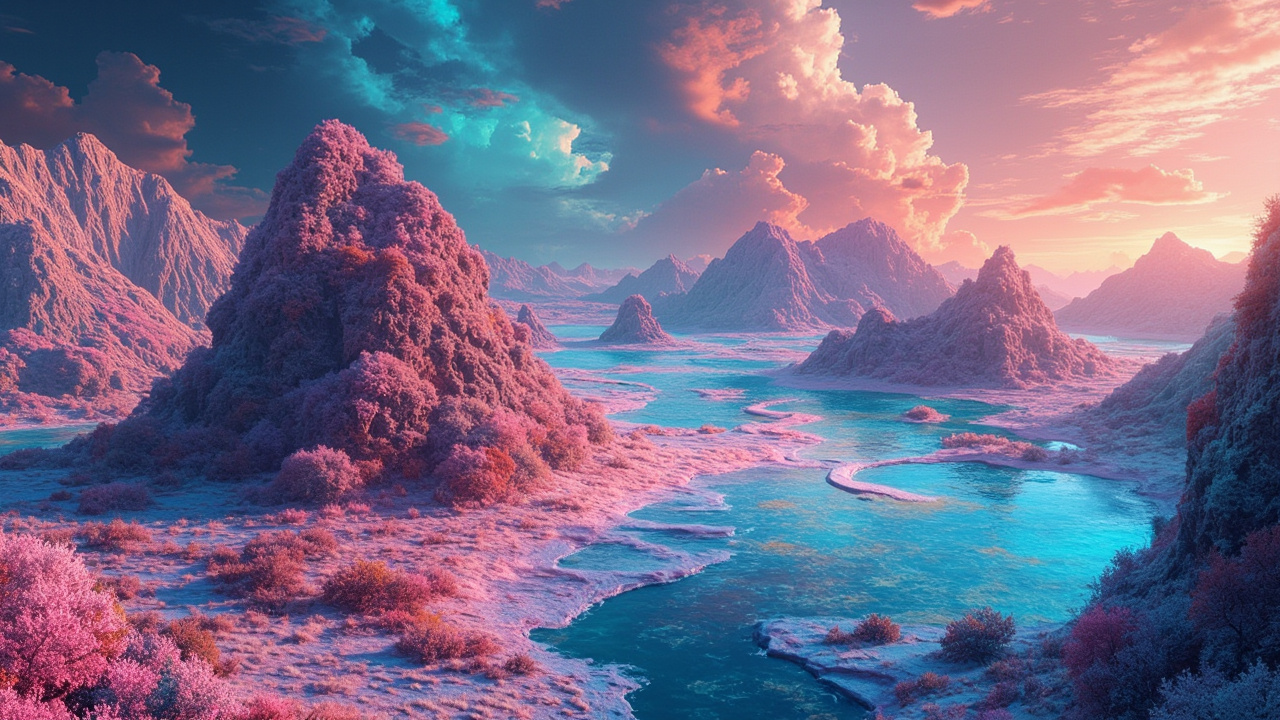
Generative AI, such as DALL-E and Midjourney, allows creators to generate entirely new visuals from text prompts. While controversial, these tools open doors for conceptual art and brainstorming.
4. Practical Tips for Leveraging AI in Photography
To make the most of AI photography, consider these actionable strategies:
- Experiment with AI-Powered Apps: Test tools like Luminar AI or Adobe’s AI features to streamline editing workflows.
- Combine AI with Traditional Techniques: Use AI as an assistant, not a replacement—refine AI-generated results manually for a personal touch.
- Stay Updated: AI evolves rapidly; follow industry trends to adopt new tools early.
5. The Future of AI Photography
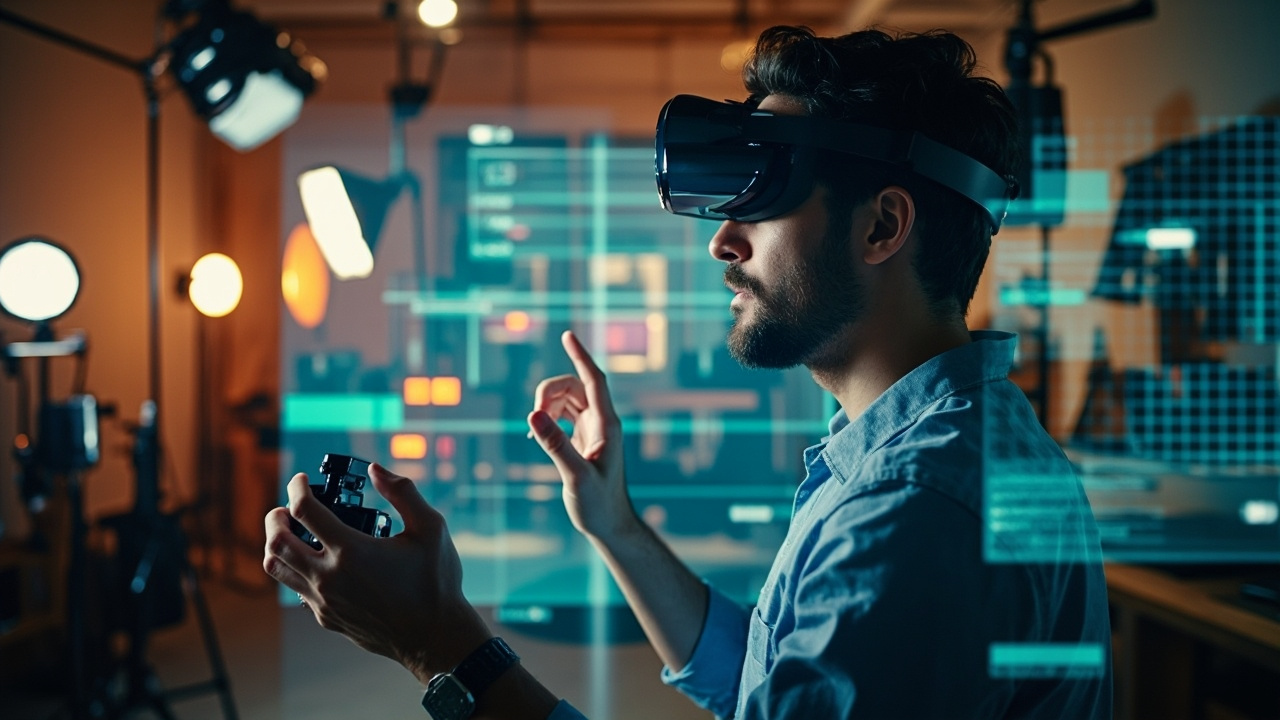
The next wave of advancements may include real-time AI videography enhancements, 3D scene reconstruction, and even more intuitive editing interfaces. As AI continues to learn and adapt, photographers who embrace these tools will stay ahead of the curve.
Conclusion
AI photography is not just a trend—it’s a fundamental shift in how we create and interact with images. From intelligent image processing to groundbreaking creative tools, AI is empowering photographers and content creators to achieve more with less effort. By integrating these technologies thoughtfully, professionals can enhance their workflow, unlock new creative avenues, and redefine what’s possible in digital imaging.
Ready to Transform Your Space?
Take the next step in your design journey. Explore our powerful AI tools to visualize and plan your perfect interior transformation.
Frequently Asked Questions
Find answers to common questions about this topic